
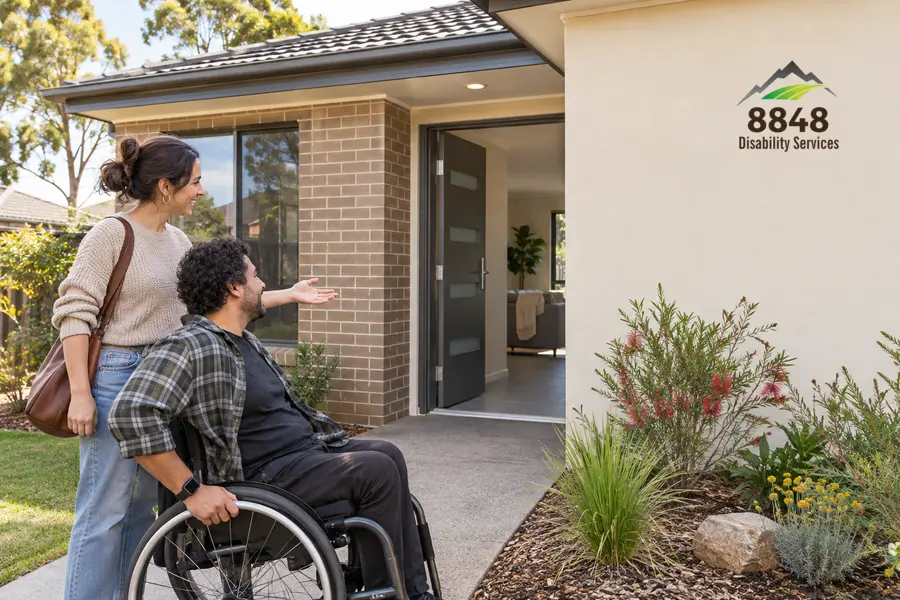
Finding a suitable home is an important step towards greater independence for people living with disability. The right living arrangement should offer comfort, safety and access to the daily assistance needed to manage everyday life with confidence.
For NDIS participants and families exploring SIL accommodation in Liverpool, understanding the available housing options, support arrangements and eligibility requirements can make the search easier.
Continue reading to learn how Supported Independent Living works, who can access it and what to consider when choosing a suitable home in Liverpool.
What Is Supported Independent Living?
Supported Independent Living (SIL) is a NDIS-funded support that helps people with disability to manage everyday activities while living in their own home. It is generally designed for participants with higher support needs who require regular assistance or supervision throughout the day and night.
Rather than taking away personal independence, SIL focuses on helping participants develop practical skills and take an active role in their daily routines.
Support may include:
- Personal care: Assistance with showering, dressing, grooming and personal hygiene.
- Meal preparation: Help planning meals, preparing food and developing cooking skills.
- Household responsibilities: Assistance with cleaning, laundry and maintaining a comfortable home.
- Medication routines: Support with medication management and following prescribed routines.
- Daily living skills: Guidance with budgeting, organising tasks and managing everyday responsibilities.
- Community participation: Assistance attending appointments, social activities and community events.
The level of assistance depends on each participant’s individual requirements, goals and NDIS funding.
Who Is Eligible for SIL Under the NDIS?
SIL is generally intended for NDIS participants aged 18 and over who have higher support needs and require significant assistance with daily activities at home.
However, having a NDIS plan does not automatically mean someone qualifies for SIL funding. The NDIA considers individual circumstances, functional support requirements and the suitability of different home and living arrangements.
Eligibility assessments may consider:
- Daily assistance requirements: The level of help needed with personal care, household activities and everyday routines.
- Overnight supervision: The need for support or assistance during nighttime hours.
- Independent living skills: Current abilities and areas where additional guidance may improve independence.
- Personal goals: Plans to move into a shared home, develop life skills or establish a more independent routine.
- Professional assessments: Reports from occupational therapists and other relevant health professionals outlining support requirements.
- Value for money: Whether SIL is an appropriate and reasonable option compared with other available NDIS supports.
Participants may need to provide supporting reports and information about their current living situation when requesting SIL funding.
Speaking with a NDIS planner, Local Area Coordinator or Support Coordinator can help clarify the next steps.
How to Find Suitable SIL Accommodation in Liverpool
Finding a suitable home involves more than checking available properties. Participants should consider the location, home environment, daily assistance and compatibility with other residents.
Here are some practical steps to help narrow down the options.
1. Understand Your Accommodation and Support Requirements
Begin by identifying the type of living arrangement that suits your everyday needs.
Consider the assistance required with personal care, meal preparation, household tasks, medication routines and overnight supervision. It is also useful to discuss preferred living arrangements, accessibility requirements and the amount of privacy you would like.
Families and Support Coordinators can help participants document these preferences before contacting providers.
2. Explore Available Homes in Liverpool and Surrounding Suburbs
Once your requirements are clear, start exploring suitable accommodation options in Liverpool and nearby communities.
Consider the distance from family members, medical appointments, shopping centres, public transport and recreational facilities. Staying connected to familiar surroundings can make adjusting to a new home easier.
When researching supported independent living in Sydney, you can also explore nearby areas such as:
- Liverpool: Convenient access to local shops, healthcare services and community facilities.
- Prestons: A residential area with parks, walking tracks and local amenities.
- Fairfield: An established community with shopping, transport and essential services.
- Bankstown: Offers access to community facilities, public transport and healthcare services.
- Campbelltown: Provides residential options and access to local services across South-West Sydney.
The availability and suitability of homes will depend on individual support requirements and current vacancies.
3. Check the Home Environment and Accessibility
A property should be comfortable, practical and suitable for the participant’s mobility and daily activities.
During a home inspection, look at the following features:
- Bedroom size, privacy and personal storage.
- Bathroom accessibility and safety features.
- Kitchen and shared living arrangements.
- Entryways, hallways and movement around the property.
- Outdoor areas and access to fresh air.
- Safety arrangements and emergency procedures.
- Space for mobility equipment or other assistive technology, if required.
Some participants may need specialised modifications, while others may be comfortable in a standard residential home with appropriate daily assistance.
4. Consider Housemate Compatibility
For participants considering shared accommodation, the people they live with can have a significant influence on their everyday experience.
Ask the provider about opportunities to meet potential housemates before deciding.
It is worth discussing:
- Preferred social environment and household routines.
- Shared interests and activities.
- Privacy and personal space.
- Meal preferences and household responsibilities.
- Communication styles and cultural preferences.
- Individual support requirements within the household.
A suitable living arrangement should respect everyone’s preferences while creating a comfortable shared environment.
5. Compare SIL Providers in Sydney
Choosing an experienced provider is just as important as finding the right property. The provider coordinates daily assistance and works with participants to maintain consistent, personalised support.
When comparing supported independent living providers in Sydney, consider:
- NDIS registration and relevant service experience.
- Support worker qualifications and experience.
- Availability of daytime and overnight assistance.
- Personalised support planning.
- Communication with participants and families.
- Procedures for handling emergencies and changing support needs.
- Flexibility to accommodate individual routines and preferences.
Take time to discuss these details with potential providers before entering into a service agreement.
6. Review the Funding and Moving Arrangements
Before confirming a home, understand how your NDIS funding will cover the required assistance.
SIL funding pays for eligible support worker assistance, not the physical property or ordinary household expenses. Rent, board, groceries and utilities are generally separate from personal living costs.
Discuss the proposed support arrangements, service agreement, household contributions and any additional expenses with the provider.
Once the arrangements are confirmed, plan the move, organise personal belongings and coordinate the transition with family members and support workers.
Understanding SIL Accommodation Options Across Sydney
Participants exploring SIL accommodation in Sydney may come across different types of living arrangements. The most suitable option depends on personal preferences, support requirements and available housing.
1. Shared Supported Living
Shared accommodation allows participants to live with other people while accessing assistance from support workers.
It can provide opportunities to develop social connections, share everyday activities and practise independent living skills. Participants should have a say in choosing their housemates and establishing household routines.
2. Individual Living Arrangements
Some participants may prefer a more private living environment while receiving personalised assistance.
The availability and funding suitability of individual SIL arrangements depend on assessed support needs. Other NDIS home and living supports may be more appropriate for some people who want to live alone.
3. Group Homes
Group homes provide a shared residential environment where multiple participants receive assistance according to their individual support plans.
These arrangements may suit people who benefit from structured routines, regular supervision and opportunities for social interaction.
4. Specialist Disability Accommodation (SDA)
SDA refers to specially designed housing for eligible participants with very high support needs or significant functional impairment.
It is important to understand the difference between SIL and SDA. SIL funds support workers who assist participants with everyday activities, while SDA funding relates to the physical home itself. Some participants may be eligible for both.
What to Look for in a NDIS SIL Provider in Liverpool
The right provider should understand your goals, respect your choices and deliver assistance that fits your daily life.
When assessing NDIS supported independent living in Sydney, look beyond the property and consider the quality of the ongoing assistance.
Here are some important qualities to look for:
- Person-centred approach: Support should reflect individual goals, preferences and routines.
- Experienced support workers: Staff should understand disability support requirements and deliver assistance respectfully.
- Consistent communication: Participants and families should receive clear information about support arrangements and changes.
- Flexible assistance: Support should respond to changing needs and personal circumstances.
- Safety and wellbeing: Providers should have appropriate procedures for emergencies, medication assistance and participant safety.
- Skill development: Daily assistance should encourage participants to build confidence and manage more activities independently.
A good provider will involve participants in decisions about their home, support workers and everyday routines.
Why Choose 8848 Disability Services for Supported Independent Living?
Finding suitable accommodation and organising the right assistance can take time. Having an experienced disability support provider involved can make the process easier for participants and their families.
At 8848 Disability Services, we provide personalised supported independent living services across Sydney, including Liverpool, Parramatta and Campbelltown.
Our approach focuses on understanding individual requirements and creating support arrangements that encourage independence, confidence and everyday wellbeing.
1. Personalised Support Plans
We take time to understand each participant’s goals, preferences and daily assistance requirements. Support arrangements are developed around individual needs rather than a standard approach.
2. Experienced Support Team
Our team assists with everyday activities, personal care, household responsibilities and other daily requirements while respecting each participant’s dignity and choices.
3. Focus on Independent Living Skills
We encourage participants to take an active role in everyday activities, develop practical skills and build confidence in managing their routines.
4. Flexible Living Arrangements
We work with participants and their families to explore suitable accommodation and assistance options based on individual circumstances and available arrangements.
5. Ongoing Assistance
Our team provides ongoing support, with arrangements tailored to participant requirements, including overnight assistance when needed.
Start Exploring SIL Accommodation in Liverpool with 8848 Disability Services
Choosing a suitable home is an important decision that deserves careful consideration. From understanding NDIS eligibility to assessing properties and comparing support providers, each step contributes to finding a living arrangement that feels right.
At 8848 Disability Services, we work with NDIS participants and families to understand their requirements and explore suitable supported living arrangements across Liverpool and surrounding Sydney communities.
FAQs About SIL Accommodation in Liverpool
1. What is the difference between SIL accommodation and regular housing?
Regular housing provides a place to live, while SIL includes NDIS-funded assistance from support workers with everyday activities. Participants can receive SIL in suitable shared or individual living arrangements, depending on their assessed needs and funding.
2. Does NDIS SIL funding cover rent and household expenses?
No. SIL funding covers eligible support worker assistance within the home. Participants generally pay their own rent, board, groceries, utilities and other ordinary living expenses.
3. Can I choose my housemates in a shared SIL home?
Yes. Participants should have choice and control over their living arrangements, including involvement in decisions about housemates. Providers can discuss compatibility and opportunities to meet potential residents before moving in.
4. Can I receive overnight assistance in SIL accommodation?
Yes. SIL can include overnight assistance based on individual support requirements. Arrangements may involve sleepover or active overnight support, depending on the level of supervision and assistance needed.
5. How do I find available SIL accommodation in Liverpool?
You can contact NDIS-registered SIL providers, speak with your Support Coordinator or use the NDIS provider finder. Discuss your support requirements, preferred location, accommodation features and current vacancies before making a decision.